Introduction
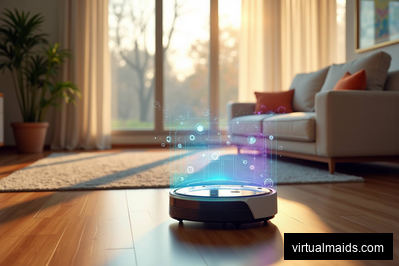
In the realm of smart homes, robotic vacuum cleaners have emerged as a favorite. These intelligent devices, equipped with advanced sensors and machine learning capabilities, are transforming the way we clean our homes. However, to truly maximize your robotic cleaner's potential, a personalized cleaning plan is necessary.
In this blog post, we will delve into the intricacies of creating personalized cleaning plans for your robotic cleaner. We will explore the benefits of such plans, the steps to creating one, the common challenges, and solutions to overcome them.
As we delve deeper into the world of smart homes, it becomes evident that the introduction of robotic vacuum cleaners is just the tip of the iceberg. These cutting-edge devices not only autonomously clean floors but also integrate seamlessly with other smart home technologies, enhancing convenience and efficiency. Imagine a scenario where your robotic vacuum cleaner communicates with your smart thermostat to optimize energy usage based on cleaning schedules, or syncs with your home security system to provide real-time updates on cleaning progress while you're away. This level of interconnectedness marks a new era in home automation, where each device works in harmony to create a truly intelligent living space.
The Importance of Personalized Cleaning Plans
Personalized cleaning plans are a game-changer when it comes to maximizing the efficiency of robotic cleaners. As per a study by Marketsand Markets, the robotic vacuum cleaner market is expected to grow to $6.13 billion by 2023. This figure points to the increasing reliance on these devices, and therefore, the necessity to utilize them fully.
For instance, a study by Neato Robotics found that 79% of their customers found personalized cleaning plans beneficial, citing improved cleaning efficiency and time-saving as the main advantages. Personalized plans allow your robotic cleaner to adapt to the unique layout of your home, ensuring each section is thoroughly cleaned and no areas are overlooked.
One key aspect highlighting the importance of personalized cleaning plans is the ability to target specific needs and preferences. For instance, some individuals may have allergies that require special attention to certain cleaning products or methods. By tailoring a cleaning plan to accommodate these sensitivities, it not only ensures a healthier environment but also enhances overall satisfaction with the cleaning service. Additionally, personalized plans can take into account the layout and specific features of a space, such as delicate furniture or high-traffic areas. This level of customization allows for a thorough and efficient cleaning process that addresses unique challenges effectively.
Creating a Personalized Cleaning Plan: A Step-by-Step Guide
Creating a personalized cleaning plan may seem daunting at first, but with a systematic approach, it becomes a straightforward process. The first step is mapping. Most robotic cleaners come with a mapping feature that helps the device learn the layout of your home. For instance, Roomba's i7 and s9 models utilize Imprint Smart Mapping technology to map your home, allowing you to set cleaning schedules for specific rooms.
After mapping, the next step is to set cleaning schedules. Analyze your routine and set cleaning schedules that best suit your lifestyle. If you prefer quiet mornings, schedule your cleaner to clean in the afternoon or evening. Also, consider the foot traffic in different areas of your home. Areas like the living room and kitchen may need more frequent cleaning than others.
When crafting your personalized cleaning plan, consider incorporating color-coded labels for your cleaning supplies. This simple yet effective method not only organizes your tools but also speeds up the cleaning process by helping you quickly locate what you need. For instance, designate green labels for products used in the kitchen and blue labels for bathroom cleaning supplies. This visual cue can streamline your cleaning routine and ensure you don't waste time searching for specific items.
Furthermore, don't forget to schedule regular reviews of your cleaning plan to make necessary adjustments. As seasons change or your living situation evolves, your cleaning needs may vary. By revisiting and updating your plan periodically, you can ensure it remains tailored to your current lifestyle and priorities. This proactive approach allows you to stay organized and efficient in maintaining a clean and comfortable living space.
Challenges and Solutions in Implementing Cleaning Plans
While creating personalized cleaning plans can significantly enhance your robotic cleaner's efficiency, it's not without challenges. One common challenge is the device's inability to map multiple levels. An i Robot survey found that 45% of customers living in multi-story homes faced difficulties with their robotic cleaners. However, newer models like Roborock S6 Max V and Neato's D7 can handle multi-floor mapping.
Another challenge is the device's tendency to get stuck in certain areas. To overcome this, use the virtual wall feature present in many robotic cleaners. It allows you to set no-go zones, preventing the cleaner from entering problematic areas. Lastly, ensure your cleaner's software is updated regularly. Manufacturers often release updates to improve mapping and cleaning efficiency, so keeping your device updated is crucial.
One common challenge faced in implementing cleaning plans is the need for adaptability. As homes and environments vary, a single static plan may not always work effectively. This necessitates constant monitoring and adjustment to ensure optimal cleaning results. Solutions to this challenge include utilizing smart technology that can analyze the space in real-time and make on-the-go adjustments to the cleaning plan. For instance, advanced robotic cleaners equipped with sensors can detect obstacles or changes in layout, enabling them to modify their cleaning route accordingly.
Another challenge lies in ensuring the inclusivity of the cleaning plan. Different surfaces and materials require specific cleaning methods, which can complicate the planning process. To address this, incorporating multi-surface capabilities in robotic cleaners can streamline the implementation of cleaning plans. For example, having interchangeable cleaning attachments or modes for various surfaces allows for a comprehensive cleaning approach without the need for manual intervention. By integrating adaptable features into cleaning devices, the challenges in implementing cleaning plans can be effectively overcome.
Expert Perspectives and Industry Insights
Experts in the field of robotics and AI believe that the future of robotic cleaners lies in personalization. Dr. Ayanna Howard, a leading robotics researcher, states, "As AI becomes more sophisticated, we can expect robotic cleaners to become more personalized, adapting not just to the physical space, but also to the users' habits and preferences."
Furthermore, industry trends point towards increased connectivity between robotic cleaners and other smart home devices. Colin Angle, CEO of i Robot, envisions a future where robotic cleaners form an integral part of the smart home ecosystem, interacting with other devices to enhance convenience and efficiency. This would mean that your robotic cleaner could potentially communicate with your smart coffee maker to avoid the area while it's in use, further optimizing the cleaning process.
Delving deeper into expert perspectives and industry insights, it's fascinating to note the evolving landscape of renewable energy technologies. Industry experts foresee a significant shift towards advanced solar panel designs that not only harness sunlight more efficiently but also integrate seamlessly into urban structures. For instance, the latest breakthroughs in solar technology include transparent solar panels that can be incorporated into windows or facades, revolutionizing the way buildings generate clean energy.
Moreover, expert analyses reveal a growing emphasis on sustainability practices within the fashion industry. Industry insiders predict a surge in demand for eco-friendly fabrics and circular fashion models that promote recycling and reduce waste. Brands are increasingly partnering with technology firms to develop innovative solutions, such as digital garment tracing to ensure transparency in the supply chain. These insights shed light on the dynamic intersection of expertise and industry trends, shaping a future where sustainability and innovation go hand in hand.
Conclusion
In conclusion, personalized cleaning plans are a crucial element in maximizing your robotic cleaner's potential. They ensure that your cleaner works in harmony with your lifestyle and home layout, providing efficient and thorough cleaning. While there may be challenges in creating and implementing these plans, with the right approach and solutions, these can be easily overcome.
As we move towards a future with smarter homes and more advanced AI, it's not inconceivable to envision a world where robotic cleaners become our personal cleaning assistants, adapting to our habits and preferences to provide a seamless cleaning experience. So, if you haven't already, start creating a personalized cleaning plan for your robotic cleaner today and step into the future of home cleaning.
Expanding on the importance of conclusions in the realm of personalized cleaning plans, it's essential to highlight the significance of analyzing the data gathered through robotic cleaners. Utilizing advanced sensors and technology, these devices collect valuable insights about your living space, enabling you to tailor your cleaning strategy effectively. By examining these findings within the conclusion phase, you can make informed decisions about optimizing your cleaning routine for maximum efficiency and cleanliness.
Moreover, the conclusion serves as a pivotal moment to reflect on the overall performance and efficacy of your customized cleaning plan. It allows you to assess the effectiveness of different cleaning schedules, areas that require more attention, and adjustments needed to enhance the functionality of your robotic cleaner. This critical evaluation process not only ensures a pristine living environment but also underscores the importance of continuous improvement and adaptation in maintaining a well-organized and spotless home.